Morocco often reveals its character in details that a hurried visit can miss: the careful arrangement of geometric tiles, the scent of spices drifting through a market, or the knowledge an artisan brings to a piece of handmade work. These details offer a different way to understand the country, one shaped by observation and conversation rather than a checklist of attractions.
The contrast between Morocco’s regions makes that approach especially rewarding. Marrakech and Fes have distinct urban histories and craft traditions, the High Atlas offers a different landscape and pace of life, and the Sahara opens onto wide horizons where light and weather shape the experience. Each destination deserves to be understood on its own terms.
Slow travel is not simply about spending more days away. It is about making deliberate choices: selecting places that match personal interests, allowing realistic time to explore them and approaching local culture with curiosity and respect.
Marrakech and Fes: Discovering the Stories Behind the Craft
Marrakech offers an introduction to Moroccan design through its carved wooden doors, zellige tilework, metal lanterns and woven textiles. In the souks, these objects can appear as part of a colourful display. Looking more closely reveals the different materials and skills behind them.
A visit to an artisan’s workshop, when welcomed by the maker, can bring that work into focus. Travellers might learn how small pieces of tile are arranged into geometric patterns, how metal is shaped and finished, or how leather is prepared for different uses. The value lies in understanding the process, not simply watching a demonstration or buying a souvenir.
Fes provides a different setting for exploring traditional craftsmanship. Its historic medina and long-established workshops offer opportunities to learn about the relationship between architecture, materials and skilled work. Rather than trying to see every major landmark in an afternoon, visitors can follow one interest with a knowledgeable guide and allow time for questions.
For visitors who want flexibility in arranging visits and transport, private Morocco tours from Marrakech can be a starting point for exploring possible routes. The important consideration is whether the arrangements allow enough time for the experiences that matter to the traveller..
Food as a Way to Understand a Region
Food offers another perspective on Moroccan life. Ingredients, preparation methods and the customs surrounding a meal can reflect regional preferences and everyday traditions.
Travellers may encounter slow-cooked tagines, couscous served for a shared meal, freshly made breads and pastries, and mint tea offered as a gesture of hospitality. What is available varies by place and season, so asking a local host or guide about the dishes associated with a region can be more informative than relying on a standard list of foods to try.
A market visit can become more meaningful when there is time to understand the ingredients on display. Rather than moving quickly between stalls, visitors can ask about seasonal produce, spices and their uses in local cooking. Where a suitable experience is available, a cooking session can connect those ingredients with the dishes served at the table.
Not every meal needs to become an organised activity, however. Some of the pleasure lies in eating without a schedule, noticing unfamiliar flavours and learning at a comfortable pace. Any visit to a private home or working kitchen should depend on the host’s invitation and preferences.
The High Atlas: A Different Rhythm of Travel
Beyond the historic cities, the High Atlas introduces mountain scenery, changing elevations and communities with daily routines shaped by their surroundings. The route through the mountains can be part of the experience, with views unfolding along winding roads and opportunities to stop where it is safe and appropriate.
Visitors interested in rural life might learn about local building materials, agricultural practices or regional food traditions. These subjects are best explored with local guidance and respect for residents’ privacy. A village is a living community, not a backdrop arranged for visitors, and photographs or visits should never be assumed to be welcome.
The practical side matters, too. Mountain roads, weather and the location of accommodation can affect how much a day comfortably allows. A route that appears short on a map may take considerably longer once road conditions and planned stops are considered.
When comparing the best tours from Marrakech, travellers should therefore look beyond the number of attractions listed. The useful questions are whether the route suits their interests, whether travel times are realistic and whether a day excursion or an overnight stay would provide the better experience.
The Sahara: Appreciating the Landscape Beyond the Photograph
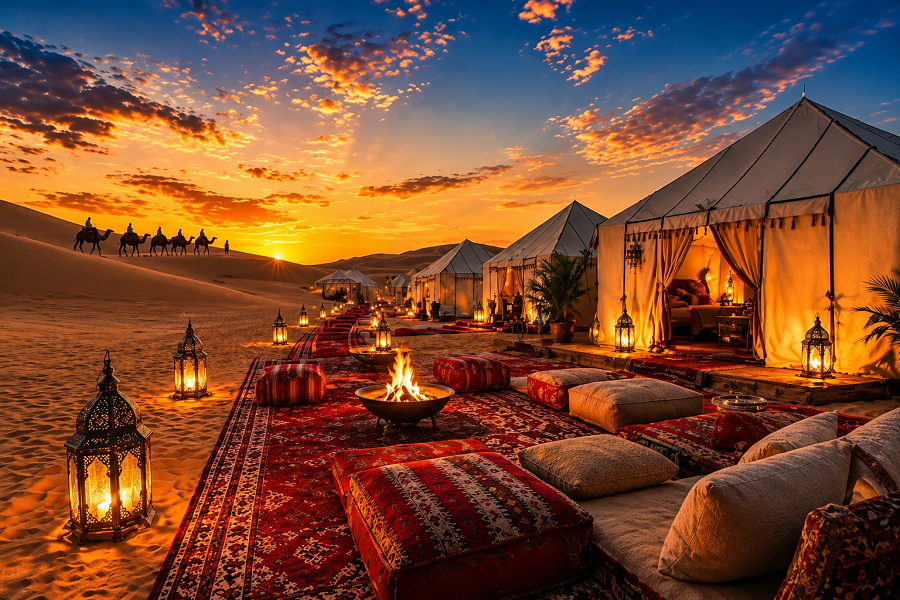
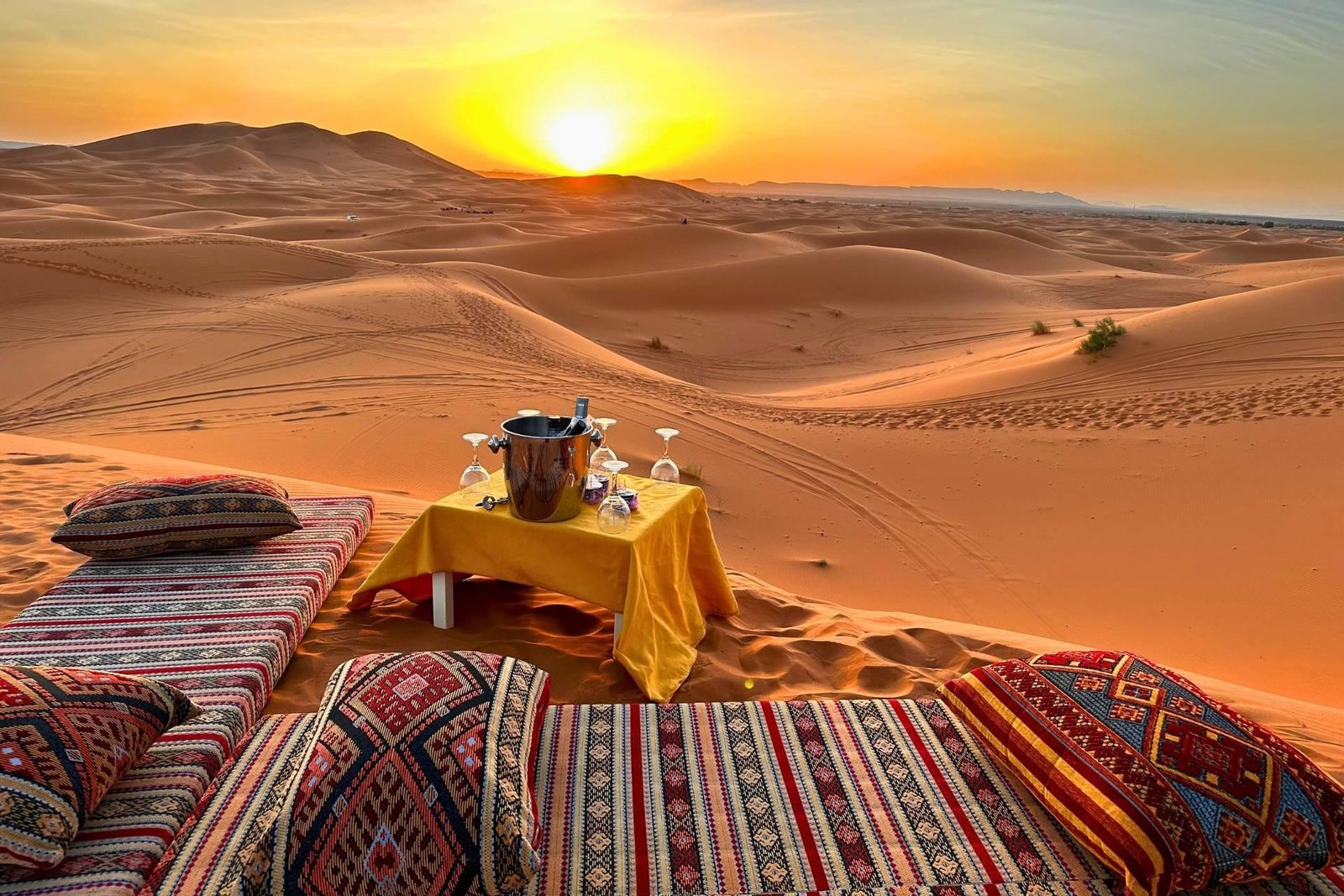
The Sahara is often pictured through golden dunes and beautifully arranged desert camps. Those images capture part of its appeal, but the experience also depends on the route, the season and the time available after arrival.
The landscape changes throughout the day. Early morning brings softer light and cooler conditions, while late afternoon can transform the colour and contours of the dunes. Some visitors enjoy a camel excursion or guided walk; others would rather spend time observing the surroundings. The right choice depends on personal interests, weather and the activities available.
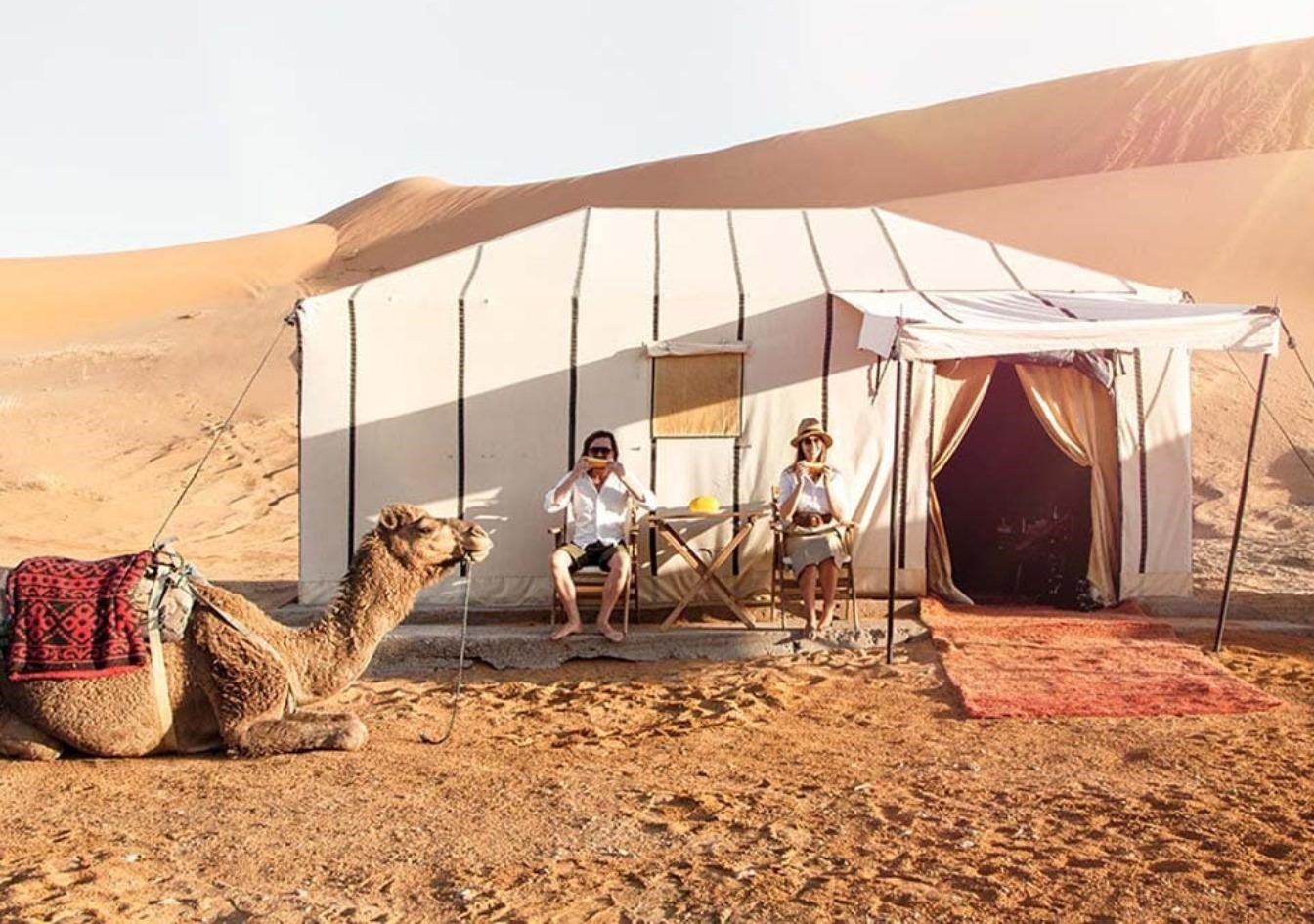
Accommodation deserves careful consideration before a booking is confirmed. Travellers should ask about bathroom facilities, bedding, dining, privacy and seasonal temperatures, as well as how long the transfer to the camp will take. They should also understand the overall driving schedule so that the desert stay does not become a brief stop between exhausting journeys.
Comfort does not require pretending that a desert camp is the same as a city hotel. A suitable experience makes its facilities clear, sets realistic expectations and allows guests to appreciate the landscape without avoidable surprises.
Building a Journey Around Personal Interests
A meaningful route starts with the travellers rather than a fixed list of destinations. Someone interested in architecture may want more time in Marrakech and Fes. A food enthusiast may prefer market visits and regional dining experiences, while families may need shorter driving days and activities suited to different ages.
These preferences can change the shape of a trip. Adding another destination is not always the best way to create variety. An extra night in one city may offer time for a second guided visit, an unhurried meal or an afternoon exploring independently.
Travellers considering a multi-day Morocco adventure should weigh the appeal of seeing several regions against the time spent travelling between them. A wider circuit can offer contrasting landscapes, while a regional stay allows closer exploration of fewer places. The better fit depends on the available days, interests and tolerance for long journeys.
Accommodation is part of that decision. A traditional riad may appeal to visitors drawn to historic architecture and an intimate setting. A contemporary hotel may suit those who value extensive facilities, accessibility or particular services. Location deserves as much attention as appearance: repeated long transfers can undermine an itinerary intended for exploring a city on foot.
Cultural Encounters Require Consideration
Responsible travel is reflected not only in the experiences chosen but also in how visitors approach the people and places they encounter.
At a workshop, listening to the artisan and asking thoughtful questions can make a visit more informative. Before photographing someone, ask permission. In villages and residential neighbourhoods, follow local guidance and remember that daily life continues beyond the visitor’s experience.
Shopping can also become a more considered exchange. Asking about materials, techniques and the maker’s work helps put an object in context. Travellers who choose to buy locally made products can take time to understand what they are purchasing rather than treating every craft item as an interchangeable souvenir.
Flexibility helps in these situations. A conversation may take longer than expected, or a visit may not be appropriate on a particular day. Leaving space in the schedule makes it easier to respond respectfully instead of turning every encounter into a timed appointment.
Planning for a More Considered Moroccan Experience
Before confirming a route, travellers should consider their dates, group size, interests, accommodation preferences and expectations for daily travel. These details help determine whether a proposed itinerary is realistic.
It is worth confirming driving times, arrival and departure arrangements, property facilities and how much time remains for activities after each transfer. Those planning a Sahara stay should understand the logistics of reaching the camp, while visitors interested in rural experiences should ask how visits are arranged and what is appropriate within the communities concerned.
Travellers can explore tailor-made private Morocco travel arrangements and discuss how destinations, accommodation and cultural activities might fit their priorities. The aim is not to organise every hour, but to settle the important practical details before departure.
A More Meaningful Way to Experience Morocco
Morocco’s character is found in more than its famous sights. It appears in the skill of its artisans, the food shared around a table, the design of historic buildings and the contrasts between mountain and desert landscapes.
Taking a more considered approach gives these details room to matter. It allows visitors to ask questions, understand the context of what they see and approach local encounters with respect. The result need not be a longer or more elaborate holiday; it can simply be a journey shaped by better choices.
What travellers remember may not be the number of places they visited, but the craft they came to understand, the meal they learned about or the landscape they had time to appreciate.
Frequently Asked Questions About Slow Travel in Morocco
What does slow travel mean in Morocco?
It means choosing a manageable route and allowing time to understand each destination. This might involve exploring a medina with a knowledgeable guide, learning about regional food or spending longer in one area instead of moving every day.
How many days should travellers allow for Morocco?
The right duration depends on the route. A trip focused on one city or region requires less transfer time than a journey combining historic cities, the High Atlas and the Sahara. Driving times should be considered before adding destinations.
Can private tours support a slower travel style?
Yes, when the route includes realistic driving times, meaningful visits and opportunities to rest. Private transport alone does not guarantee a relaxed experience; the daily schedule matters just as much.
What should travellers know before visiting an artisan workshop?
They should check whether visits are welcome, follow the maker’s guidance and ask permission before taking photographs. Learning about the materials and techniques can make the experience more informative.
What should travellers check before booking a Sahara camp?
They should confirm bathroom facilities, sleeping arrangements, meals, privacy, seasonal conditions and transfer logistics. It is also useful to understand how much time is needed to reach the camp.
How can travellers make a Morocco itinerary more personal?
They can begin with their interests such as architecture, food, craftsmanship, landscapes or family-friendly activities and build the route around those priorities. A realistic schedule should balance these interests with travel distances and available time.